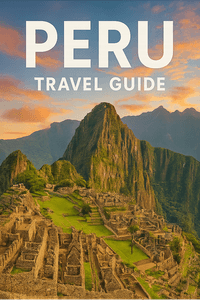
Peru is a biodiversity hotspot that boasts a stunning array of flora and fauna, particularly in regions like Machu Picchu and the surrounding areas. The unique climate and geography of the Andes create various habitats, ranging from high-altitude grasslands to lush cloud forests, making it an ideal place for nature enthusiasts.
Visitors to Machu Picchu can expect to encounter over 400 species of flora, including orchids, ferns, and native trees like the Andean walnut. The fauna is equally impressive, with opportunities to see animals such as the elusive Andean condor, colorful hummingbirds, and even the playful spectacled bear.
One of the best times to explore the rich biodiversity of this region is during the dry season, from May to September, when wildlife is more active and the weather is generally clear. However, visiting during the wet season from November to March can also be rewarding, as the landscape is lush and vibrant.
When hiking the Inca Trail to Machu Picchu, take a moment to appreciate the diverse ecosystems you pass through. Make sure to bring a good pair of binoculars for birdwatching, and consider hiring a local guide who can provide insight into the intricate relationships between the plants and animals you encounter.
Another cultural aspect to consider is the traditional use of certain plants by the indigenous communities. For example, the Andean people use various herbs for medicinal purposes, and local markets often showcase these plants alongside traditional crafts.
Be mindful of your impact on this fragile environment. Follow the principles of Leave No Trace to preserve the natural beauty of Machu Picchu for future generations. Always stick to marked paths, avoid picking plants, and dispose of trash responsibly.
Finally, don't forget to immerse yourself in the local culture while exploring the flora and fauna. Engage with local communities, learn about their conservation efforts, and support eco-friendly tourism initiatives. This way, your visit contributes positively to both the environment and the people who call this stunning region home.