Inca Trail to Machu Picchu: Comprehensive Trek Guide
An in-depth guide to hiking the Inca Trail, including its itinerary, highlights, difficulty and practical planning tips.
Found 76 results for "Altitude Sickness Symptoms"
Our monitoring service tracks ticket cancellations and new releases 24/7. Get notified instantly when tickets for your preferred dates become available.
When traveling to Peru, especially to iconic destinations like Machu Picchu and Cusco, it's essential to be aware of altitude sickness. This condition occurs due to the decreased oxygen levels at higher altitudes, typically above 2,500 meters (8,200 feet). Symptoms can vary from mild to severe and may include headaches, dizziness, nausea, fatigue, and difficulty sleeping.
Cusco, located at about 3,400 meters (11,200 feet), is often the first stop for travelers heading to Machu Picchu. Many visitors experience mild symptoms as their bodies adjust to the altitude. It's crucial to recognize these signs early to ensure a safe and enjoyable trip.
To minimize the risk of altitude sickness, consider arriving in Cusco a few days before your visit to Machu Picchu. This allows your body to acclimatize gradually. Staying hydrated is vital; drink plenty of water and avoid alcohol and heavy meals, especially on your first day.
Some travelers find that chewing coca leaves or drinking coca tea helps alleviate symptoms. Although coca is a traditional remedy, it’s essential to respect local customs and use it responsibly. If symptoms persist or worsen, it’s advisable to descend to a lower altitude and seek medical assistance.
While altitude sickness can be uncomfortable, it shouldn't deter you from exploring the breathtaking landscapes and rich culture of Peru. With proper precautions and awareness, you can fully enjoy the wonders of Machu Picchu and the Sacred Valley.
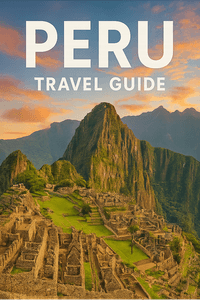
An in-depth guide to hiking the Inca Trail, including its itinerary, highlights, difficulty and practical planning tips.
Base yourself in Huaraz to explore Huascarán National Park, trek to turquoise lakes and ancient ruins, and acclimatise before summiting the Andes’ highest tropical peaks.
Llamas and alpacas are ancient companions to Andean cultures. Learn how to distinguish these camelids by size, ears and fleece, explore their domestication history, cultural role, uses as pack animals and fiber producers, and get tips on where to see them ethically in Peru.
Complete guide to Aguas Calientes (Machupicchu Pueblo) - from thermal baths and restaurants to accommodation and ticket offices. Everything you need for your Machu Picchu base.
Explore the Andean condor’s impressive wingspan, scavenging lifestyle and mythic role in Andean culture while learning where and how to see these magnificent birds responsibly.
A comprehensive guide to trekking in Cotahuasi Canyon—one of the world's deepest gorges—covering routes, highlights, difficulty, logistics and responsible travel tips.
Complete guide to Machu Picchu ticket cancellation policies. Learn about refund rules, transfer restrictions, and what happens when tickets are cancelled by others.
Complete guide to visiting Machu Picchu during rainy season (November-March). Weather patterns, advantages, challenges, and essential preparation tips.
Comprehensive budget planning for Machu Picchu. Detailed cost breakdowns for budget, mid-range, and luxury travel with money-saving strategies.
Comprehensive Peru food guide covering traditional dishes, street food, fine dining, regional specialties, and culinary experiences. Complete culinary journey through Peru.
Unlock the secrets of Peru’s Nazca Lines. This guide covers the origins of the geoglyphs, iconic designs like the hummingbird and spider, theories about their purpose, and practical advice for viewing them from the air or ground.
Discover the spectacular Waqrapukara fortress perched on limestone cliffs. Complete hiking guide with routes, difficulty, logistics and cultural insights.
Set up instant alerts for ticket availability and never miss your chance to visit Machu Picchu.
Get Alerts