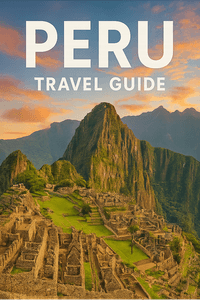
Understanding the elevation of Machu Picchu is essential for visitors planning their journey to this iconic Incan citadel. Nestled high in the Andes mountains, Machu Picchu stands at an elevation of approximately 2,430 meters (7,970 feet) above sea level. This altitude can pose challenges for some travelers, particularly those who are not acclimatized to high elevations.
When visiting Machu Picchu, it is advisable to spend a few days in Cusco or the Sacred Valley before ascending to the citadel. This gradual acclimatization helps your body adjust to the altitude, reducing the risk of altitude sickness. Common symptoms include headaches, nausea, and fatigue, which can detract from your experience.
The best way to enjoy Machu Picchu is to take your time exploring its breathtaking ruins and stunning landscapes. Consider arriving early in the morning to witness the sunrise, which casts a magical glow over the ancient stones. This is also the most tranquil time to appreciate the site before the crowds arrive.
For those who want to trek to Machu Picchu, the Inca Trail is a popular option. This multi-day hike offers stunning views and a chance to experience the diverse ecosystems of the region. The highest point on the trail, Dead Woman's Pass, reaches an elevation of about 4,200 meters (13,780 feet), making acclimatization even more important.
While exploring Machu Picchu, don’t miss the chance to learn about its rich history and cultural significance. Hire a knowledgeable guide or join a guided tour to gain deeper insights into the site’s architecture and the Incan civilization. Additionally, remember to stay hydrated and bring snacks to keep your energy up during your visit.
Lastly, be mindful of the regulations in place to protect this UNESCO World Heritage Site. Stick to designated paths, avoid touching the stones, and carry out any trash you bring in. By respecting the site, you help ensure that future generations can enjoy the wonder of Machu Picchu as well.