Accessible Travel in Peru: Tips for Wheelchair Users and Travelers with Disabilities
Plan an accessible adventure in Peru with our tips on wheelchair‑friendly circuits at Machu Picchu, accessible cities and key planning advice.
Found 90 results for "Machu Picchu Elevation"
Our monitoring service tracks ticket cancellations and new releases 24/7. Get notified instantly when tickets for your preferred dates become available.
Understanding the elevation of Machu Picchu is essential for visitors planning their journey to this iconic Incan citadel. Nestled high in the Andes mountains, Machu Picchu stands at an elevation of approximately 2,430 meters (7,970 feet) above sea level. This altitude can pose challenges for some travelers, particularly those who are not acclimatized to high elevations.
When visiting Machu Picchu, it is advisable to spend a few days in Cusco or the Sacred Valley before ascending to the citadel. This gradual acclimatization helps your body adjust to the altitude, reducing the risk of altitude sickness. Common symptoms include headaches, nausea, and fatigue, which can detract from your experience.
The best way to enjoy Machu Picchu is to take your time exploring its breathtaking ruins and stunning landscapes. Consider arriving early in the morning to witness the sunrise, which casts a magical glow over the ancient stones. This is also the most tranquil time to appreciate the site before the crowds arrive.
For those who want to trek to Machu Picchu, the Inca Trail is a popular option. This multi-day hike offers stunning views and a chance to experience the diverse ecosystems of the region. The highest point on the trail, Dead Woman's Pass, reaches an elevation of about 4,200 meters (13,780 feet), making acclimatization even more important.
While exploring Machu Picchu, don’t miss the chance to learn about its rich history and cultural significance. Hire a knowledgeable guide or join a guided tour to gain deeper insights into the site’s architecture and the Incan civilization. Additionally, remember to stay hydrated and bring snacks to keep your energy up during your visit.
Lastly, be mindful of the regulations in place to protect this UNESCO World Heritage Site. Stick to designated paths, avoid touching the stones, and carry out any trash you bring in. By respecting the site, you help ensure that future generations can enjoy the wonder of Machu Picchu as well.
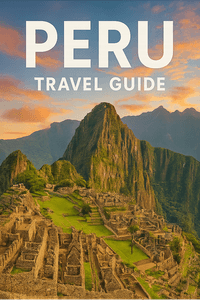
Plan an accessible adventure in Peru with our tips on wheelchair‑friendly circuits at Machu Picchu, accessible cities and key planning advice.
Experience the Andean way of life on the Lares Trek—a journey through remote villages, hot springs and high passes en route to Machu Picchu.
Complete guide to traveling from Cusco to Aguas Calientes. Compare train vs bus options, costs, booking tips, and travel times for your Machu Picchu journey.
Ride Peru’s only luxury train to Machu Picchu on the Belmond Hiram Bingham, featuring gourmet dining, live music and exclusive access.
Complete seasonal guide for visiting Peru. Weather patterns, regional variations, festival calendars, and month-by-month recommendations for optimal travel planning.
Comprehensive guide to sustainable tourism in Peru. Eco-friendly practices, community-based tourism, conservation efforts, and responsible travel strategies.
Explore the magnificent Kuelap fortress, Peru's most impressive pre-Inca site. Complete guide to hiking, logistics, highlights and cultural significance.
Complete Peru transportation guide covering trains, buses, domestic flights, and regional travel options. Navigate Peru's diverse geography efficiently and safely.
Comprehensive Sacred Valley guide covering Pisac, Ollantaytambo, Chinchero, and hidden gems. Transportation, attractions, markets, and travel planning tips.
Comprehensive guide to Peru's Sacred Valley. Explore Pisac markets, Ollantaytambo fortress, Moray terraces, and Maras salt mines. Complete itinerary with transportation, tickets, and insider tips.
Llamas and alpacas are ancient companions to Andean cultures. Learn how to distinguish these camelids by size, ears and fleece, explore their domestication history, cultural role, uses as pack animals and fiber producers, and get tips on where to see them ethically in Peru.
Challenge yourself on the Choquequirao Trek, a multi-day journey into the Apurímac canyon that rewards you with empty Inca ruins and condor sightings.
Set up instant alerts for ticket availability and never miss your chance to visit Machu Picchu.
Get Alerts