Vilcabamba Trek: Journey to the Last Inca Capital
Explore the remote Vilcabamba region and discover the last refuge of the Inca Empire. Complete trekking guide to this challenging but rewarding adventure.
Found 131 results for "Machu Picchu Photography Tips"
Our monitoring service tracks ticket cancellations and new releases 24/7. Get notified instantly when tickets for your preferred dates become available.
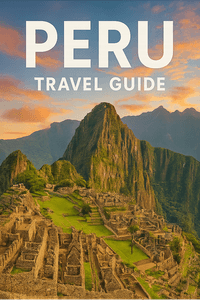
Machu Picchu is one of the most photographed archaeological sites in the world, and for good reason. Nestled high in the Andes, its breathtaking views and intricate stonework make it a photographer's paradise. To capture the essence of this ancient Incan citadel, timing is crucial. The golden hour—the time just after sunrise or just before sunset—provides soft, warm light that enhances the stunning landscape.
When planning your visit, consider the weather. The dry season (May to September) typically offers clearer skies, ideal for photography. However, the rainy season (November to March) can create dramatic clouds and mist that add a mystical quality to your photos.
Bring a tripod for stability, especially if you're shooting in low light conditions. It’s also wise to carry a wide-angle lens to encompass the vastness of the landscape, and a zoom lens can help capture intricate details of the stonework.
While at Machu Picchu, venture beyond the main ruins. The Inti Punku (Sun Gate) and Huayna Picchu offer elevated vantage points that showcase the site in its entirety. Early risers can enjoy stunning sunrise shots from these locations, often with fewer crowds.
Respect the cultural significance of the site by avoiding flash photography and sticking to designated paths. This not only preserves the integrity of the ruins but also ensures a more authentic experience. Engaging with local guides can provide insight into the history and culture of the Inca civilization, which can enrich your photography.
Finally, don't forget to capture the surrounding landscapes, including the lush greenery and the winding Urubamba River below. These elements help convey the majestic setting of Machu Picchu and its connection to nature.
Explore the remote Vilcabamba region and discover the last refuge of the Inca Empire. Complete trekking guide to this challenging but rewarding adventure.
Unlock the secrets of Peru’s Nazca Lines. This guide covers the origins of the geoglyphs, iconic designs like the hummingbird and spider, theories about their purpose, and practical advice for viewing them from the air or ground.
Experience Peru's most magnificent festival, Inti Raymi. Complete guide to the Festival of the Sun in Cusco including ceremony locations, ticket prices, cultural significance, and insider tips for the best experience.
Lima blends centuries of history, world‑class cuisine and Pacific‑cliff vistas. Explore colonial plazas, modern districts and vibrant markets in Peru’s dynamic capital.
Llamas and alpacas are ancient companions to Andean cultures. Learn how to distinguish these camelids by size, ears and fleece, explore their domestication history, cultural role, uses as pack animals and fiber producers, and get tips on where to see them ethically in Peru.
Everything you need to hike Gocta: routes from Cocachimba and San Pablo, trail distances and difficulty, tickets and guides, when to go, what to pack, safety, nearby attractions and travel logistics to Chachapoyas.
Plan a trip to Tingo María, a warm‑jungle hub in Peru’s Huánuco region. Hike to Cueva de las Lechuzas, admire the "Sleeping Beauty" ridge, chase waterfalls, raft the Huallaga and enjoy Amazon‑Andean cuisine.
Discover Trujillo’s colonial charm, pre‑Columbian ruins and lively dance festivals. This guide showcases northern Peru’s cultural capital and its nearby beaches and archaeological wonders.
A detailed guide to hiking to Huchuy Qosqo, an Inca archaeological site accessible only on foot. Learn about routes, altitude, highlights, logistics and tips for a safe and rewarding trek.
Learn about the health impacts of high altitude travel in Peru, including altitude sickness symptoms, risk factors, prevention strategies, acclimatization guidelines, and tips for safe trekking.
Explore Arequipa’s luminous sillar architecture, fiery cuisine and access to the towering condors of Colca Canyon. Learn why Peru’s White City shines year‑round.
Peru’s 2,400 km coastline has it all: warm tropical coves in the north, legendary left-hand surf breaks, wildlife-filled bays and dramatic desert-meets-ocean scenery. Discover the top beaches by region, when to go, how to get there and where to surf, swim and relax.
Set up instant alerts for ticket availability and never miss your chance to visit Machu Picchu.
Get Alerts