Colca Canyon Trek: Deep Canyons, Condors & Oasis Villages
Everything you need to know to trek in the Colca Canyon—from route options and condor viewing to difficulty, best seasons and planning tips.
Found 105 results for "Machu Picchu Weather"
Our monitoring service tracks ticket cancellations and new releases 24/7. Get notified instantly when tickets for your preferred dates become available.
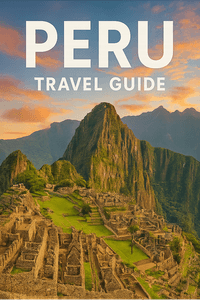
The weather at Machu Picchu plays a significant role in shaping your visit to this iconic site. Nestled in the Andean mountains, Machu Picchu experiences a subtropical highland climate characterized by two distinct seasons: the dry season and the rainy season.
The dry season, which runs from May to September, is the most popular time for tourists to visit. During these months, you can expect clear skies and mild temperatures, with daytime highs averaging around 20°C (68°F) and cooler nights that can drop to about 5°C (41°F). This is the ideal time for hiking, exploring the ruins, and capturing stunning photographs.
Conversely, the rainy season lasts from November to March, with January and February being the wettest months. Rain showers can occur frequently, turning the trails muddy and making transportation trickier. However, the lush green landscapes during this time are breathtaking, offering a different perspective of the ancient site.
When planning your visit, consider bringing layers of clothing to accommodate the varying temperatures throughout the day. A light rain jacket is essential during the rainy season, while sunscreen is a must during the dry months.
Altitude also affects the weather, so be mindful of the elevation and the potential for altitude sickness. It’s advisable to spend a few days acclimatizing in Cusco before heading to Machu Picchu.
For the best experience, try to arrive early in the morning or later in the afternoon. This way, you can avoid the crowds and enjoy a more tranquil atmosphere. Additionally, check weather forecasts ahead of your trip to prepare accordingly.
Ultimately, Machu Picchu’s weather is part of its charm. Whether you visit during the sunny dry season or the vibrant rainy season, each experience offers unique beauty and opportunities for adventure.
Everything you need to know to trek in the Colca Canyon—from route options and condor viewing to difficulty, best seasons and planning tips.
Venture into Colca Canyon near Arequipa to witness soaring condors, centuries‑old terraces and hot springs. This guide details hikes, viewpoints, village life and tips for a safe, rewarding visit.
Base yourself in Huaraz to explore Huascarán National Park, trek to turquoise lakes and ancient ruins, and acclimatise before summiting the Andes’ highest tropical peaks.
Experience the warmth and excitement of Ica. From sandboarding at Huacachina to sipping pisco in vineyards, this guide covers attractions, desert safety and travel tips.
Delve into Huascarán National Park, a UNESCO sanctuary home to snow‑capped peaks, glacial lakes like Laguna 69, unique flora and fauna, and some of the best trekking routes in Peru.
Everything you need to hike Gocta: routes from Cocachimba and San Pablo, trail distances and difficulty, tickets and guides, when to go, what to pack, safety, nearby attractions and travel logistics to Chachapoyas.
Peru’s 2,400 km coastline has it all: warm tropical coves in the north, legendary left-hand surf breaks, wildlife-filled bays and dramatic desert-meets-ocean scenery. Discover the top beaches by region, when to go, how to get there and where to surf, swim and relax.
Experience Peru's largest religious celebration, Señor de los Milagros in Lima. Complete guide to the Purple Christ procession, dates, routes, cultural significance, and how to participate respectfully.
Experience Peru's most spectacular folklore festival, Virgen de la Candelaria in Puno. Complete guide to traditional dances, colorful costumes, Lake Titicaca celebrations, and cultural significance.
Set up instant alerts for ticket availability and never miss your chance to visit Machu Picchu.
Get Alerts