Staying Safe in Peru: Crime Precautions & Health Advice
Travel safely in Peru with advice on securing belongings, choosing safe neighbourhoods, using ride‑share apps and staying healthy at altitude.
Found 76 results for "Altitude Sickness Symptoms"
Our monitoring service tracks ticket cancellations and new releases 24/7. Get notified instantly when tickets for your preferred dates become available.
When traveling to Peru, especially to iconic destinations like Machu Picchu and Cusco, it's essential to be aware of altitude sickness. This condition occurs due to the decreased oxygen levels at higher altitudes, typically above 2,500 meters (8,200 feet). Symptoms can vary from mild to severe and may include headaches, dizziness, nausea, fatigue, and difficulty sleeping.
Cusco, located at about 3,400 meters (11,200 feet), is often the first stop for travelers heading to Machu Picchu. Many visitors experience mild symptoms as their bodies adjust to the altitude. It's crucial to recognize these signs early to ensure a safe and enjoyable trip.
To minimize the risk of altitude sickness, consider arriving in Cusco a few days before your visit to Machu Picchu. This allows your body to acclimatize gradually. Staying hydrated is vital; drink plenty of water and avoid alcohol and heavy meals, especially on your first day.
Some travelers find that chewing coca leaves or drinking coca tea helps alleviate symptoms. Although coca is a traditional remedy, it’s essential to respect local customs and use it responsibly. If symptoms persist or worsen, it’s advisable to descend to a lower altitude and seek medical assistance.
While altitude sickness can be uncomfortable, it shouldn't deter you from exploring the breathtaking landscapes and rich culture of Peru. With proper precautions and awareness, you can fully enjoy the wonders of Machu Picchu and the Sacred Valley.
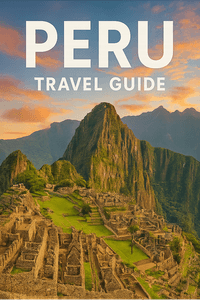
Travel safely in Peru with advice on securing belongings, choosing safe neighbourhoods, using ride‑share apps and staying healthy at altitude.
Trek to the famous Rainbow Mountain (Vinicunca) and witness Peru's most colorful natural wonder. Complete guide to routes, altitude, logistics and tips.
A detailed guide to hiking to Huchuy Qosqo, an Inca archaeological site accessible only on foot. Learn about routes, altitude, highlights, logistics and tips for a safe and rewarding trek.
Comprehensive safety guide for Machu Picchu visitors. Health precautions, security tips, emergency procedures, and practical advice for safe travel.
Complete family travel guide for Machu Picchu. Age-appropriate activities, safety tips, accommodation advice, and strategies for multi-generation trips.
Complete guide for senior travelers visiting Machu Picchu. Age-friendly transportation, comfortable accommodations, health considerations, and accessibility options for 60+ visitors.
Complete guide to traveling from Lima to Cusco. Flight options, bus routes, train services, costs, schedules, and tips for the best travel experience.
Journey across shimmering Lake Titicaca to encounter reed islands, traditional weaving, ancient temples and warm communities. Learn how to plan your visit and travel responsibly in Peru’s folkloric capital.
Explore everything you need to know about Machu Picchu, from its 15th‑century Inca origins and sacred temples to trekking routes, ticket tips and sustainable travel advice.
Master Machu Picchu photography with expert camera settings, composition techniques, timing tips, and equipment recommendations for stunning shots.
Delve into Huascarán National Park, a UNESCO sanctuary home to snow‑capped peaks, glacial lakes like Laguna 69, unique flora and fauna, and some of the best trekking routes in Peru.
A practical, 24/7-ready guide to emergencies in Peru: who to call (105/106/116), how to find hospitals and English-speaking help, what to do after theft or a lost passport, disaster prep, and how embassies can assist.
Set up instant alerts for ticket availability and never miss your chance to visit Machu Picchu.
Get Alerts