Machu Picchu Rainy Season Guide 2025: Weather, Pros, Cons & Tips
Complete guide to visiting Machu Picchu during rainy season (November-March). Weather patterns, advantages, challenges, and essential preparation tips.
Found 82 results for "Palomani Pass Altitude"
Our monitoring service tracks ticket cancellations and new releases 24/7. Get notified instantly when tickets for your preferred dates become available.
The Palomani Pass is one of the highest points along the trek to Machu Picchu, reaching an impressive altitude of approximately 4,800 meters (15,748 feet) above sea level. This challenging pass is located in the stunning Andes Mountains of Peru, offering breathtaking views and a unique opportunity to experience the natural beauty and cultural richness of the region.
Trekking through Palomani Pass is not just about the physical challenge; it is also a chance to immerse yourself in the rich history and traditions of the Quechua people, the indigenous inhabitants of the area. Along the trail, you may encounter ancient agricultural terraces and local farmers tending to their crops, providing a glimpse into their daily lives.
As you ascend to the pass, it's essential to acclimatize properly to avoid altitude sickness. Tourists are advised to spend a few days in Cusco or the Sacred Valley before embarking on the trek to ensure their bodies adjust to the high altitude. Drinking plenty of water and consuming coca tea can also aid in acclimatization.
Be prepared for rapidly changing weather conditions at Palomani Pass. While mornings may start off sunny, temperatures can drop significantly, and rain can occur unexpectedly. Therefore, packing layers of clothing, waterproof gear, and sturdy hiking boots is crucial for a comfortable trek.
Additionally, the pass is an excellent location for photography enthusiasts. The panoramic views of snow-capped peaks and lush valleys make it a must-visit spot for capturing the essence of the Andes.
For those who wish to visit Machu Picchu, you can either continue your trek from Palomani Pass or opt for alternative transportation options. The scenic train ride from Ollantaytambo to Aguas Calientes offers a more leisurely approach to reach the iconic ruins.
While exploring the Palomani Pass, respect local customs and the environment by staying on designated trails and taking all trash with you. Engaging with local communities and learning about their traditions can enrich your travel experience significantly.
In conclusion, the Palomani Pass is not just a physical challenge but a journey through time and culture, making it an unforgettable part of your Peruvian adventure.
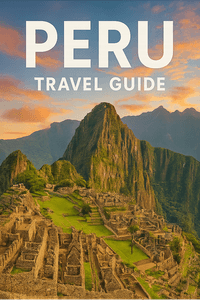
Complete guide to visiting Machu Picchu during rainy season (November-March). Weather patterns, advantages, challenges, and essential preparation tips.
Silent, powerful and seldom seen, the Andean puma roams Peru’s mountains and deserts. Learn about its biology, cultural legends and the challenges of spotting and conserving this big cat.
Plan an unforgettable journey through Manu National Park’s cloud forests and lowland Amazon. Learn about permits and zones, how to get there from Cusco, the best season, wildlife hotspots, health and safety, and responsible travel.
A practical, up‑to‑date guide to key Peruvian laws that affect travelers: visas and overstays, ID and police checks, customs and currency declarations, driving rules, alcohol and drug laws, drones and photography, protected areas, and more.
Complete guide to traveling from Cusco to Aguas Calientes. Compare train vs bus options, costs, booking tips, and travel times for your Machu Picchu journey.
Experience Peru's most magnificent festival, Inti Raymi. Complete guide to the Festival of the Sun in Cusco including ceremony locations, ticket prices, cultural significance, and insider tips for the best experience.
Complete guide to cultural festivals around Machu Picchu. Traditional Andean celebrations, indigenous events, seasonal festivities, and authentic cultural experiences in Sacred Valley.
Comprehensive budget planning for Machu Picchu. Detailed cost breakdowns for budget, mid-range, and luxury travel with money-saving strategies.
Explore Peru’s greatest protected areas—from the flooded forests of Pacaya‑Samiria to the glacier‑capped peaks of Huascarán—and learn how to visit responsibly.
Challenge yourself on the Choquequirao Trek, a multi-day journey into the Apurímac canyon that rewards you with empty Inca ruins and condor sightings.
Visit Chan Chan, the sprawling adobe capital of the Chimú kingdom near Trujillo. Discover its walled citadels, intricate fish motifs, and conservation challenges in this detailed guide.
Venture into Colca Canyon near Arequipa to witness soaring condors, centuries‑old terraces and hot springs. This guide details hikes, viewpoints, village life and tips for a safe, rewarding visit.
Set up instant alerts for ticket availability and never miss your chance to visit Machu Picchu.
Get Alerts